


Common Beekeeping Mistakes in Kenya (2026)
⚠️ Common Beekeeping Mistakes in Kenya (2026 Guide) – Expert Tips to Avoid Losses & Increase Honey Production
Introduction: Why Most Beekeepers Fail in Kenya
Beekeeping in Kenya is highly profitable, but many beginners fail within the first year due to avoidable mistakes. Poor hive selection, lack of training, and weak management practices often result in low honey yields, colony losses, and wasted investment.
Understanding the most common beekeeping mistakes in Kenya is critical if you want to succeed in modern bee farming.
If you’re just getting started, it’s important to first understand the full process in this
How-to-start-beekeeping-in-kenya>complete beginner guide to starting beekeeping in Kenya, which outlines best practices step by step.,
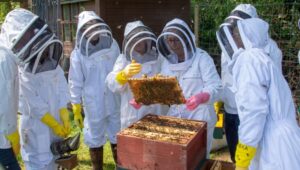
❌ 1. Starting Without Proper Knowledge or Training
One of the biggest mistakes beginners make is jumping into beekeeping without proper knowledge.
Beekeeping is a skill-based venture that requires understanding:
-
Bee behavior
-
Hive management
-
Seasonal changes
-
Pest and disease control
Without training, mistakes are inevitable and often costly.
👉 To build a strong foundation, explore this detailed guide on
Beekeeping training in Kenya,, including where to learn and expected costs.
❌ 2. Choosing the Wrong Type of Beehive
Not all beehives are equal. Selecting the wrong hive can limit productivity and make management difficult.
For example:
-
Traditional hives → low yields, difficult harvesting
-
Modern hives → higher yields, easier management
👉 Before investing, it’s essential to compare options in this guide on
Types-of-beehives-in-kenya,, which explains the advantages and disadvantages of each.
❌ 3. Ignoring Beehive Pricing and Budget Planning
Many beginners either overspend or buy low-quality hives that do not last.
Proper budgeting ensures:
-
Better quality equipment
-
Higher durability
-
Improved productivity
👉 This guide on
Kenya Top Bar Hive price
explains current pricing and how to choose cost-effective options.
❌ 4. Poor Apiary Site Selection (Hive Placement Mistake)
Hive placement is one of the most underestimated factors affecting honey production.
Poor placement leads to:
-
Low nectar collection
-
Reduced honey yield
Ideal hive location:
-
Near flowering plants (nectar sources)
-
Access to clean water
-
Away from human disturbance
-
Sheltered from strong winds
Proper site selection can double your honey production in some cases.
❌ 5. Lack of Proper Hive Management Practices
Beekeeping requires consistent monitoring and care.
Common management mistakes include:
-
Not inspecting hives regularly
-
Ignoring colony health
-
Poor harvesting techniques
❌ 6. Ignoring Honey Production Expectations
Many beginners do not understand realistic yield expectations.
This leads to:
-
Poor planning
-
Unrealistic income expectations
-
Early frustration
👉 To understand realistic yields, read this guide on
honey production per hive in Kenya \\>, including factors that influence output.
❌ 7. Harvesting Honey Too Early or Too Much
Harvesting honey before it is fully matured reduces quality and quantity.
Overharvesting can:
-
Starve the colony
-
Weaken bee populations
-
Reduce future production
Best practice:
-
Harvest only capped honey
-
Leave enough for the bees
❌ 8. Poor Pest and Disease Management
Pests and diseases are a major threat to beekeeping in Kenya.
Common problems include:
-
Hive beetles
-
Wax moths
-
Mites
Ignoring these can lead to total colony collapse.
Prevention tips:
-
Regular inspections
-
Clean hives
-
Strong colonies
❌ 9. Using Low-Quality Equipment
Cheap or poorly made equipment leads to:
-
Short lifespan
-
Poor hive conditions
-
Reduced honey production
Investing in quality equipment ensures:
-
Durability
-
Better hive performance
-
Improved yields
❌ 10. Expanding Too Fast Without Experience
Many beginners scale too quickly without mastering the basics.
This leads to:
-
Poor management
-
High losses
-
Financial strain
Smart approach:
Start small (2–5 hives), gain experience, then expand gradually.
❌ 11. Ignoring Seasonal Changes in Kenya
Beekeeping is highly dependent on seasons.
Common mistake:
Not adjusting practices based on weather and flowering cycles.
Impact:
-
Low honey production
-
Weak colonies
Solution:
Understand seasonal patterns and adapt your management.
❌ 12. Lack of Record Keeping
Most beginners do not track:
-
Hive performance
-
Harvest quantities
-
Colony health
This makes it difficult to improve and scale.
🧠 Expert Tips to Avoid These Mistakes
To succeed in beekeeping:
-
Get proper training before starting
-
Choose the right hive type
-
Invest in quality equipment
-
Inspect hives regularly
-
Understand honey production patterns
-
Start small and scale gradually
📈 How Avoiding These Mistakes Boosts Profit
When you avoid these common mistakes:
-
Honey production increases
-
Colony survival rate improves
-
Costs are reduced
-
Profit margins grow
This is the difference between struggling farmers and successful beekeepers.
🏆 Final Thoughts
Avoiding the most common beekeeping mistakes in Kenya is essential for building a sustainable and profitable bee farming business. With the right knowledge, proper training, and effective management practices, you can significantly increase your honey production and long-term success.