


🐝 Comprehensive Bee Farming Training in Kenya — Learn, Grow & Earn from Beekeeping
Introduction
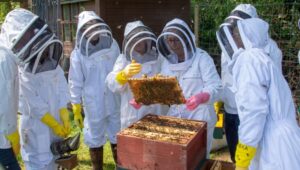
Bee Farming Training in Kenya is becoming essential for anyone who wants to join the fast-growing honey production industry, and Chick Bee Farming is proud to deliver some of the best training services in the country. Our hands-on training equips both beginners and advanced farmers with practical skills—ranging from hive management, bee handling, honey harvesting, hive selection, and disease control—to ensure you build a successful and profitable bee farm. With our professional guidance and real farm experience, you get the confidence and knowledge needed to start and grow a modern beekeeping business in Kenya.
🧠 Why Bee Farming Training is Important
Beekeeping may look simple, but it’s a delicate process that combines science, skill, and patience. Every beekeeper must understand the lifecycle of bees, how to manage colonies, and how to maintain strong, healthy hives throughout the year.
Here’s why training is crucial:
-
🐝 Knowledge of bee behavior — understand swarming, mating, and foraging patterns.
-
🧰 Proper hive management — learn how to inspect hives and detect early signs of disease or queen loss.
-
🍯 Honey harvesting techniques — harvest pure honey without harming bees or destroying combs.
-
🌿 Pest and disease control — identify threats such as wax moths and varroa mites.
-
💰 Commercial honey production — learn how to process, package, and brand your honey for market.
Training ensures that your investment yields maximum returns while protecting the environment.
🎓 What Our Bee Farming Training Covers
Our beekeeping training is designed to equip you with both theoretical knowledge and hands-on field experience. Each module includes classroom instruction, live demonstrations in our apiary, and interactive Q&A sessions with experienced beekeepers.
1️⃣ Introduction To Bee farming Training
-
Understanding bee species in Kenya: African honey bee (Apis mellifera scutellata), stingless bees, and wild bees.
-
Importance of bees in pollination and food production.
-
Structure of a bee colony — roles of the queen, workers, and drones.
-
Environmental requirements for successful apiaries (temperature, shade, water sources).
2️⃣ Hive Types and Construction
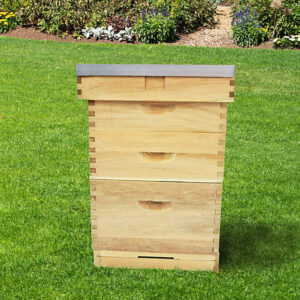
Beekeeping starts with choosing the right hive. We train farmers on the different hives used in Kenya and recommend chickmasters hives for its well designed with hardwood cedar timbers
-
Langstroth hives by chickmaters
-
– modern, modular hives ideal for commercial honey production.
-
Kenya Top Bar hives (KTBH) by chickmasters
-
– affordable and easy to maintain for small-scale farmers.

-
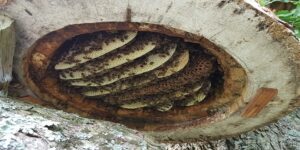
Traditional log hives
-
– low-cost but less productive compared to modern types.
We also cover:
-
Hive materials: durable pine wood for long life and weather resistance.
-
Hive placement for maximum foraging.
-
Construction techniques and proper spacing in an apiary
-
3️⃣ Bee Colony Management
A strong bee colony equals higher honey yield.
Our training teaches:
-
How to introduce bees into a new hive.
-
Queen management — recognizing a productive queen.
-
Maintaining colony population and preventing swarming.
-
Using smokers and protective equipment safely.
-
Record keeping for each hive (queen age, production cycles, harvests).
4️⃣ Bee Health, Nutrition & Pest Control
Healthy bees are productive bees. Participants learn:
-
How to identify common pests such as wax moths, ants, and small hive beetles.
-
Natural pest control methods (using ash, oil barriers, or traps).
-
Feeding bees during drought seasons using sugar syrup or pollen substitutes.
-
Maintaining hygiene in hives to prevent bacterial infections.
5️⃣ Honey Harvesting, Processing & Packaging
Harvesting is the most rewarding part of beekeeping — but only if done right.
In this session, trainees learn:
-
When to harvest honey (fully capped combs).
-
How to use smokers without harming bees.
-
Hygienic extraction of honey using centrifugal extractors.
-
Wax processing and byproduct utilization.
-
Filtering, packaging, and labeling honey for retail markets.
We also provide demonstrations on value addition:
-
Making beeswax candles, lip balm, and propolis tinctures.
-
Producing royal jelly and pollen supplements.
6️⃣ Beekeeping as a Business
Turning bee farming into profit requires strategy and market knowledge.
This module includes:
-
Cost breakdown for starting an apiary.
-
Marketing channels — from farm gate sales to supermarkets and export markets.
-
Branding and packaging techniques for your honey.
-
Accessing financing through SACCOs or government agricultural funds.
-
Networking with cooperatives for bulk supplies
👩🌾 Who Should Attend Bee farming Training
Our training is open to anyone passionate about agriculture and sustainable business, including:
-
Aspiring farmers and agribusiness entrepreneurs.
-
Youth and women groups seeking income-generating projects.
-
NGOs and community-based organizations.
-
Schools and institutions teaching environmental education.
Even if you live in urban areas, we’ll teach you how to start small — with a few hives on your plot or rooftop.
🌍 Locations & Schedule of Bee training
We offer regular training sessions in Nairobi, Ngong, Kiambu, Nakuru, Baringo, Machakos, Nyeri, and Kisumu.
Customized training can also be arranged for farmer groups or institutions at their preferred site.
Each training includes:
-
3–5 days of intensive lessons
-
Field demonstrations in real apiaries
-
Certificate of completion
-
Continuous mentorship and support after training
for joining training lesson/sections call 0768633675/0117022418
🧾 Why Choose Our Bee Farming Training
-
🐝 Experienced instructors with years of field expertise.
-
📚 Practical lessons — not just theory.
-
🧑🌾 Access to affordable Langstroth hives and bee equipment after training.
-
🌿 Focus on sustainable and eco-friendly practices.
-
💼 Mentorship in marketing and business development.
Our goal is not just to train you — but to help you succeed as a modern beekeeper in Kenya.
📞 Enroll Today!
Take the first step toward becoming a professional beekeeper.
Contact us today to reserve your training slot or organize group training for your community.
Phone: 0119076723
Email: info@chickbeefarming.co.ke
Location: Ngong Town, Kenya
Website: www.chickbeefarming.co.ke
Join hundreds of farmers across Kenya who have successfully completed our bee farming training and are now producing high-quality honey for local and international markets.
🐝 Start your journey today — Learn, Grow, and Prosper with Bee Farming!
read more on on how to start beekeeping/ bee keeper start guide which will help the farmer achieve the best and incredible results in bee keeping