


How to Start Beekeeping in Kenya (2026)
How to Start Beekeeping in Kenya (2026 Guide) – Costs, Profits & Step-by-Step Setup
How to Start Beekeeping in Kenya (Quick Answer)
To start beekeeping in Kenya:
-
Choose the right hive
-
Buy essential equipment
-
Install bees
-
Place hives in a good location
-
Manage and harvest honey
You can start with as little as KSh 15,000 – KSh 50,000 depending on your scale.
Why Beekeeping Is Growing Fast in Kenya
Beekeeping is becoming one of the most attractive agribusiness opportunities because:
-
High demand for natural honey
-
Low startup and maintenance costs
-
Minimal land required
-
Strong profit potential
Step 1: Choose the Right Beehive
Choosing the right hive is the most important decision.
There are several options available, and understanding their differences is key. This is clearly explained in this detailed guide on types of beehives in Kenya, where you can compare all hive options based on cost, productivity, and ease of use.
Best Options:
-
Kenya Top Bar Hive – Best for beginners
-
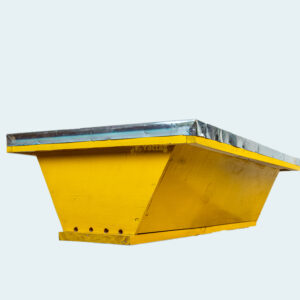
How to start bee keeping with kenya top bar hive -
Langstroth Hive – Best for commercial production
-
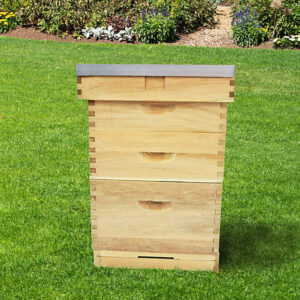
Bee equipment’s supplier in kenya
Step 2: Understand Beehive Prices in Kenya
Before buying a hive, you need to understand the cost.
A complete breakdown is available in this guide on Kenya Top Bar Hive price, which explains current market prices, what affects the cost, and how to choose the best option for your budget.
Typical Prices:
-
Top Bar Hive: KSh 4,500 – 12,000
-
Langstroth Hive: KSh 12,000 – 35,000
Step 3: Buy Essential Beekeeping Equipment
To get started, you will need:
-
Beekeeping suit
-
Smoker
-
Hive tool
-
Bee colony
These are essential for safe and effective hive management.
Step 4: Choose the Best Hive for Beginners
If you are new, starting simple is the smartest move.
A full explanation is provided in this guide on the best beehive for beginners in Kenya, which shows why the Kenya Top Bar Hive is the most recommended option for new farmers.
Step 5: Select the Best Location for Your Apiary
A good location will directly affect your honey production.
Choose a site with:
-
Reliable water source
-
Shade and wind protection
-
Low human and animal disturbance
Step 6: Install Bees in Your Hive
You can either:
-
Buy a colony
-
Trap wild bees
💡 Placing your hive during flowering seasons increases chances of colonization.
Step 7: Manage Your Bees Properly
Good hive management includes:
-
Regular inspections
-
Controlling pests and diseases
-
Keeping the hive clean
-
Minimizing disturbance
Step 8: Harvesting Honey in Kenya
Honey can be harvested 2–3 times per year depending on conditions.
Expected Yield:
-
Top Bar Hive: 10–25 kg per harvest
-
Langstroth Hive: 20–40 kg per harvest
How Much Does It Cost to Start Beekeeping in Kenya?
| Item | Cost (KSh) |
|---|---|
| 2 Top Bar Hives | 9,000 – 20,000 |
| Equipment | 5,000 – 15,000 |
| Bees | 5,000 – 10,000 |
| Total | 15,000 – 50,000 |
Beekeeping Profit in Kenya
Each hive can produce:
-
20–50 kg of honey per year
-
Selling at KSh 400–800 per kg
👉 Potential income per hive: KSh 8,000 – 40,000 annually
Common Mistakes Beginners Should Avoid
-
Starting with too many hives
-
Poor hive placement
-
Buying low-quality equipment
-
Lack of training
Why Beekeeping Is a Smart Investment in 2026
-
Rising demand for organic honey
-
Export opportunities
-
Government support for agriculture
-
Scalable business model
Final Thoughts
Beekeeping in Kenya is one of the easiest agribusinesses to start with low capital and high returns. By choosing the right hive, understanding costs, and applying proper management, you can build a profitable and sustainable honey business.