


How to Harvest Honey Without Damaging the Beehive
How to Harvest Honey Without Damaging the Beehive
Introduction
Learning how to harvest honey without damaging the beehive is one of the most important skills every beekeeper should master. Proper harvesting protects the bee colony, preserves the honeycomb, and allows bees to continue producing honey throughout the season. Whether you keep a few hives or manage a commercial apiary, using the correct harvesting techniques will improve honey quality, reduce colony stress, and increase long-term profitability.
At Chickmasters, we train farmers across Kenya on modern beekeeping practices that improve honey production while protecting healthy bee colonies. By combining the right harvesting methods with quality equipment and modern hive systems, beekeepers can enjoy consistent harvests year after year.
Also know when to do honey harvesting in your hives ,read our detailed page to get the exart timing to harvest you honey
Why Proper Honey Harvesting Is Important
Harvesting honey is more than simply removing honey from the hive. Every inspection and harvest affects the health and productivity of your colony.
Proper harvesting helps you:
- Protect the queen bee
- Preserve brood combs
- Produce clean, high-quality honey
- Increase future honey production
- Reduce stress on the colony
- Improve hive longevity
Understanding these principles allows beekeepers to maintain stronger colonies and achieve better commercial results.
Choose the Right Beehive Before Harvesting Honey
The type of hive you use plays a major role in how easily and safely you can harvest honey.
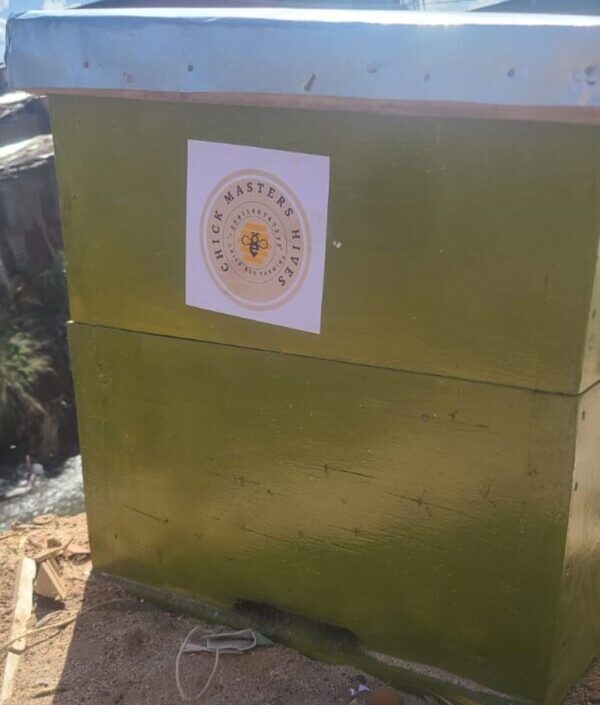
Langstroth Hives for Efficient Honey Harvesting
Modern Langstroth hives allow individual frames to be removed without destroying the comb. This makes harvesting cleaner, faster, and less stressful for bees.
If you’re planning to upgrade your apiary, explore our range of modern Langstroth hives and current Langstroth hive prices in Kenya to find the best option for your farm.
Kenya Top Bar Hives for Natural Honey Production
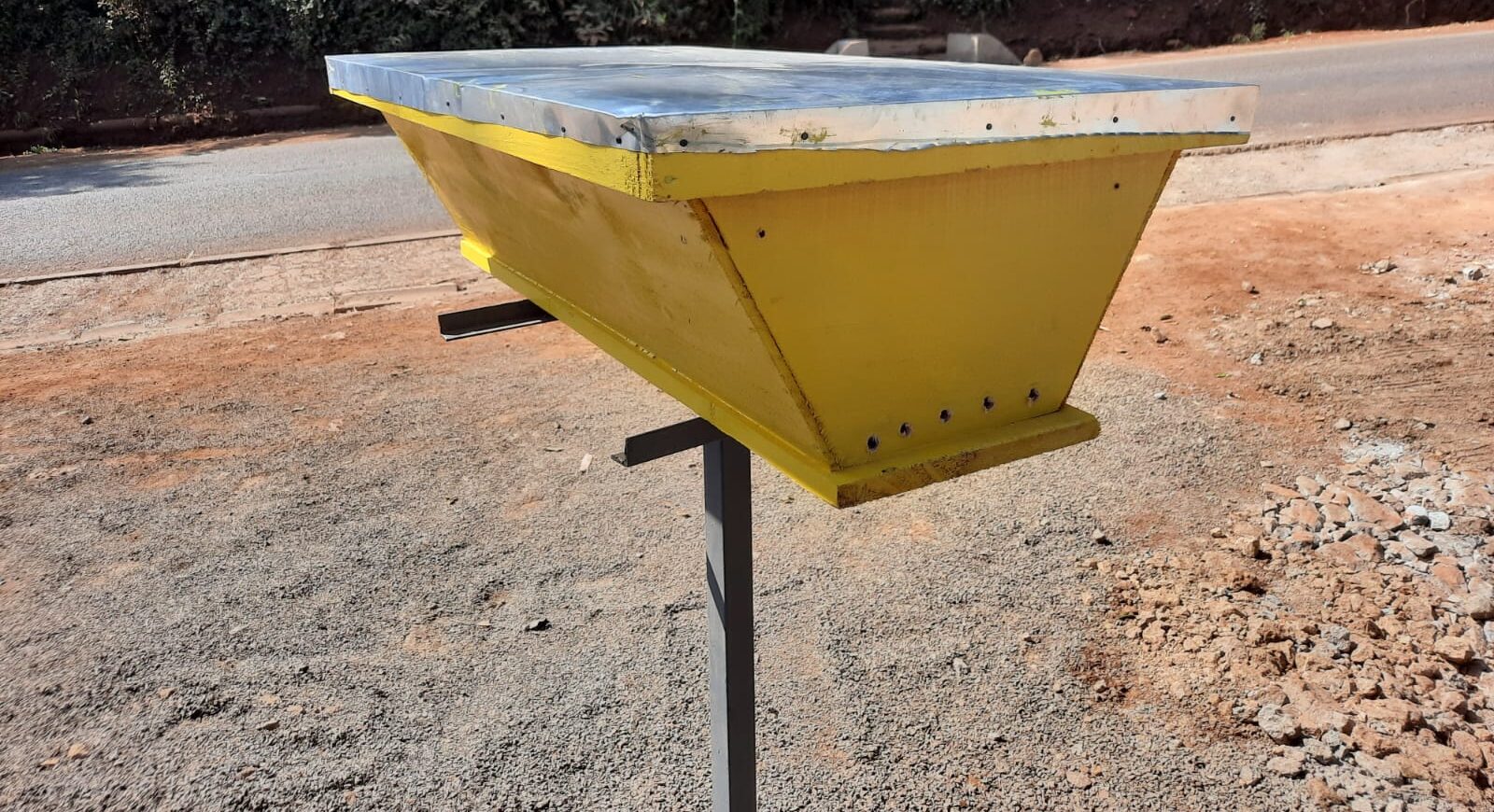
Kenya Top Bar hives are another excellent option, especially for beginner beekeepers. Their simple design encourages natural comb building while making routine inspections easier.
Learn more about the advantages of Kenya Top Bar hives available in Nairobi and how they support sustainable honey production.
Essential Equipment for Safe Honey Harvesting
Using the correct equipment protects both the beekeeper and the bees.
Essential harvesting equipment includes:
- Bee suit
- Gloves
- Bee smoker
- Hive tool
- Honey extractor
- Food-grade buckets
- Honey strainers
- Storage containers
Investing in quality equipment improves safety, keeps honey clean, and makes harvesting much more efficient. Browse our selection of professional beekeeping equipment and supplies to equip your apiary with reliable tools.
Step-by-Step Guide to Harvest Honey Without Damaging the Hive
1. Harvest Only Fully Capped Honey
Never harvest uncapped honey because it contains too much moisture and can ferment during storage.
Use a Bee Smoker Correctly
Apply a small amount of cool smoke at the hive entrance and beneath the cover to calm the colony. Excessive smoke should be avoided because it can stress the bees.
3. Remove Frames Carefully
Lift honey frames gently without crushing bees or damaging combs. Avoid disturbing brood frames whenever possible.
4. Leave Enough Honey for the Bees
Always leave sufficient honey inside the hive so the colony has adequate food until the next nectar flow.
5. Return Frames After Extraction
When using Langstroth hives, extracted frames can be returned to the hive, allowing bees to refill them quickly and reducing the energy needed to build new comb.
Common Mistakes That Damage Beehives
Many new beekeepers accidentally weaken their colonies through poor harvesting practices.
Avoid:
- Harvesting immature honey
- Breaking combs unnecessarily
- Damaging brood chambers
- Killing worker bees
- Disturbing the queen
- Harvesting during cold or rainy weather
- Using dirty harvesting equipment
Correct harvesting methods protect colony health and improve future production.
How Professional Training Improves Honey Harvesting Skills
Successful beekeeping requires practical experience as well as theory. Professional training teaches farmers how to inspect colonies, identify mature honey, handle bees safely, and harvest efficiently.
Our practical bee farming training in Kenya equips both beginners and experienced farmers with modern beekeeping skills that improve productivity and reduce costly mistakes.
Additional Tips for Better Honey Production
To improve future harvests:
- Inspect hives regularly.
- Keep colonies healthy.
- Control pests and diseases.
- Position hives near flowering plants.
- Replace damaged equipment promptly.
- Harvest only when honey is mature.
Following these practices helps ensure stronger colonies and higher honey yields every season.
Why Choose Chickmasters
Chickmasters is committed to helping Kenyan farmers build profitable and sustainable beekeeping businesses.
We provide:
- Modern Langstroth hives
- Kenya Top Bar hives
- Quality beekeeping equipment
- Practical bee farming training
- Apiary setup guidance
- Nationwide delivery
Whether you are establishing your first hive or expanding a commercial apiary, our team is ready to support your success.
Conclusion
Knowing how to harvest honey without damaging the beehive helps protect your colonies, improve honey quality, and increase long-term profitability. By using modern hive systems, quality equipment, and the right harvesting techniques, you can produce premium honey while keeping your bees healthy and productive.
📞 Contact Chickmasters Today
- 📱 Call: 0119076723
💬 WhatsApp: Chat with us on WhatsApp
📧 Email: info@chickbeefarming.co.ke