


Honey Production Per Hive in Kenya (2026)
🍯 Honey Production Per Hive in Kenya (2026 Guide) – Yield, Profit & How to Increase Output
How Much Honey Does a Hive Produce in Kenya?
Honey production per hive in Kenya varies depending on the hive type, management, and environment.
On average:
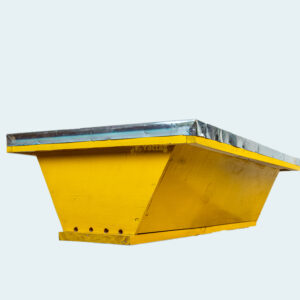
👉 Kenya Top Bar Hive: 10–25 kg per harvest
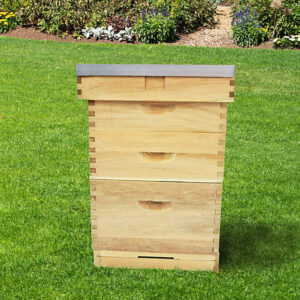
👉 Langstroth Hive: 20–40 kg per harvest
With 2–3 harvests per year, a single hive can produce:
✅ 20–80 kg of honey annually/yearly
This makes beekeeping one of the most profitable agribusiness ventures in Kenya.
🐝 Honey Production by Hive Type in Kenya
The type of hive you use plays a major role in determining your honey yield.
A detailed comparison is available in this guide
Types-of-beehives-in-kenya, where you can explore the performance and efficiency of each hive.
| Hive Type | Honey Per Harvest | Annual Yield |
|---|---|---|
| Kenya Top Bar Hive | 10–25 kg | 20–50 kg |
| Langstroth Hive | 20–40 kg | 40–80 kg |
| Traditional Hive | 5–15 kg | 10–30 kg |
💰 How Honey Production Translates to Profit
Understanding production helps you estimate income.
For example:
-
1 hive producing 50 kg/year
-
Selling at KSh 500 per kg
👉 Annual income = KSh 25,000 per hive
To maximize returns, it’s important to start with cost-effective hives. This is explained in detail in this guide on
Kenya-top-bar-hive-price, including pricing and buying tips.
📈 Key Factors That Affect Honey Production in Kenya
1. Hive Type and Quality
Modern hives produce significantly more honey.
If you’re unsure where to begin, this guide on
Best-beehive-for-beginners-kenya
explains why the Kenya Top Bar Hive is ideal for beginners.
2. Beekeeping Skills and Training
Proper training directly impacts productivity.
Learning best practices from a structured program can dramatically improve your yields. You can explore available programs in this guide on
Beeping Training-kenya, including where to learn and what to expect.
3. Location and Forage Availability
Bees need access to nectar-rich plants.
Best locations include:
-
Areas with flowering crops
-
Forest edges
-
Natural vegetation zones
4. Climate and Seasonal Changes
Honey production is highest during flowering seasons, especially after rains.
Dry seasons may reduce output unless proper management is applied.
5. Hive Management Practices
Good management significantly increases honey yield.
To understand proper setup, inspection, and harvesting techniques, follow this
How-to-start-beekeeping-in-kenya, complete guide on how to start beekeeping in Kenya
🐝 How to Increase Honey Production Per Hive
✅ Choose the Right Hive
Modern hives like Top Bar and Langstroth produce more honey.
✅ Improve Hive Placement
Place hives near:
-
Flowering plants
-
Water sources
-
Quiet environments
✅ Regular Hive Inspection
Check for:
-
Pests and diseases
-
Honey storage levels
✅ Maintain Strong Colonies
Healthy bee populations produce more honey.
✅ Avoid Overharvesting
Leave enough honey for bees to survive and reproduce.
⚠️ Common Causes of Low Honey Production
-
Poor hive placement
-
Weak colonies
-
Lack of flowers
-
Poor-quality hives
-
Lack of training and experience
🧠 Beginner Strategy for Better Yields
Start with 2–5 hives, learn management skills, and expand gradually.
This reduces risk and improves long-term success.
🏆 Is Honey Production in Kenya Profitable?
Yes—beekeeping is highly profitable due to:
-
Low operational costs
-
High demand for honey
-
Scalable production
Even small-scale farmers can generate consistent income with proper management.
🔥 Final Thoughts
Understanding honey production per hive in Kenya is essential for building a successful and profitable beekeeping business. By selecting the right hive, investing in training, and applying good management practices, you can significantly increase your honey yield and maximize returns.