


One-Month-Old Improved Kienyeji Chicks for Sale in Nairobi: The Definitive 2026 Buying & Profit Guide
Are you aiming to launch or scale a highly profitable poultry agribusiness in Nairobi? The single most critical choice that defines your farm’s success is your entry point. While day-old chicks seem budget-friendly initially, their delicate management requirements, high mortality risk, and expensive heating equipment often drain capital before production begins.
Opting for premium one-month-old improved Kienyeji chicks (growers) bypasses the high-risk developmental block. At four weeks old, these birds have transitioned through the volatile brooding phase and are primed for rapid development, making them the preferred choice for commercial and smallholder operations across Nairobi County.
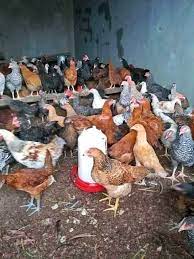
2026 Price Structure for One-Month-Old Improved Kienyeji Chicks in Nairobi
Market economics in 2026 emphasize cost control. High feed valuations mean smart farmers look for birds that maximize feed-to-meat/egg conversion. Our 4-week-old improved Kienyeji chicks are priced competitively to guarantee your startup budget remains optimized.
Pro-Tip on Economy of Scale: For orders exceeding 500 birds, we offer wholesale farm-gate discounts. Contact our sales department to receive a direct quote tailored to your exact batch volume.
The Strategic Importance of the 1-Month Stage: Why it Makes Economic Sense
Investing in a bird that is already 4 weeks old is an exercise in risk mitigation and financial strategy.
1. Eliminating the Brooding Mortality Curve
The first 28 days represent the highest mortality threat window in a chicken’s lifecycle. A drop in temperature or a minor ventilation flaw can wipe out 30–50% of a day-old flock overnight. Our one-month-old chicks arrive past this dangerous curve with a baseline survival rate near 98%.
2. Radical Reduction in Infrastructure Costs
Brooding requires dedicated infrared heating lamps, continuous charcoal or electricity inputs, and specialized circular brooder rings. By starting at week 4, your energy bills drop to near zero because the birds are already partially feathered and capable of homeostatic temperature regulation.
3. Accelerated Production Lifecycles
Traditional indigenous chickens take up to 8–10 months to reach market weight or laying maturity. Our improved strains are genetically optimized. By skipping month one, your timeline to cash flow is slashed:
-
-
Meat Birds (Cocks): Ready for market in an additional 3 months (reaching 2.0kg–2.5kg).
-
Secure Your 1-Month-Old Chicks Today
Every grower is fully vaccinated, hardened, and ready for delivery within Nairobi and surrounding counties. Book your flock instantly.
-
Layers (Hens): Start hitting point-of-lay targets within 4.5 months, producing up to 220–280 eggs annually.
4. Certified Baseline Immunity
Every single grower leaving our facility comes with a verified electronic health and vaccination record. You do not bear the logistical hurdle or expense of sourcing and administering early-stage vaccinations.
Technical Health Blueprint: Completed Vaccination Schedule
When you take delivery of your flock in Nairobi, they have already received full medical clearing for the first crucial month of life.
Transition & Management Guidelines
To maintain maximum growth consistency after receiving your flock, your housing and feeding protocols must meet structured agronomic specifications.
Housing Specifications
Provide 2 square feet per bird if utilizing a strict deep-litter confinement system. If your infrastructure incorporates an open run or semi-intensive free-range model, allocate 1 square foot indoors alongside outdoor foraging access. Ensure your house runs East-to-West to avoid direct sun exposure and wind-driven drafts while allowing the escape of volatile ammonia vapors.
Feed Management Optimization
At 4 weeks old, your birds are ready to transition out of high-protein chick starter. Move them smoothly onto premium Growers Mash over a 5-day blending period.
2026 Feed Cost-Reduction Framework: With commercial feeds heavily impacted by inflation, improved Kienyeji birds give you a unique edge. You can safely supplement up to 30% of their daily intake using high-protein alternative feeds like Azolla Caroliniana, Black Soldier Fly (BSF) larvae, or nutrient-dense clean kitchen sorting.
For commercial drinkers nad chicken feeders read our detailed page on Commercial drinkers and feeders or poultry animals
Order Management & Nationwide Delivery Framework
We manage fully regulated distributions throughout Nairobi County (Kasarani, Embakasi, Dagoretti, Westlands) and offer direct transport links out to Kiambu, Machakos, Nakuru, and Kajiado. Our birds travel in sanitized, well-ventilated poultry crates driven by specialist teams to eliminate transit stress.
For deep-dive steps on preparing your farm before your birds arrive, proceed to our highly requested [Guide to Modern Poultry Housing Construction]. To calculate your overheads precisely before making a commitment, read our localized financial guide, [Optimal Feeding Strategies & Feed Formulation Economics for Improved Kienyeji].